

Sustainability
We only print what has been sold.
Classic
Produce first, then hope
Print on demand
Sell first, then print
The principle
Overproduction doesn't exist here
Classic
- Pre-produce a large quantity
- Store the goods and pay for storage
- Hope that everything sells
- Discount or dispose of the rest
Print on demand
- A customer orders in your shop
- We print exactly this one item
- Shipped directly to the customer
- No stock, no leftovers
This saves not only resources but also your money: you need no starting capital for stock and carry no inventory risk. How print on demand works
Materials
9 products made of organic cotton
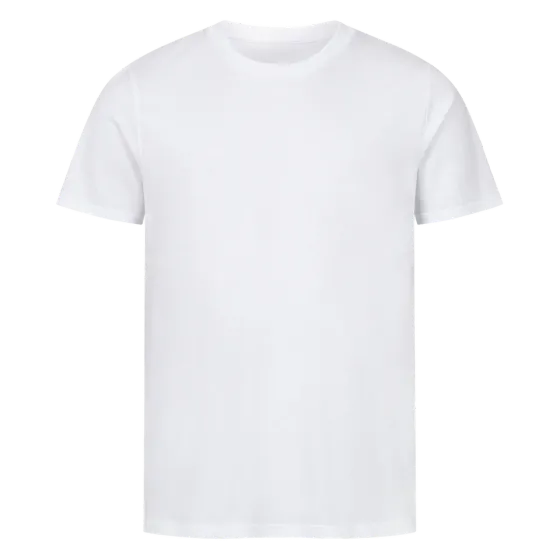 Organic
Stanley/Stella
Premium Organic Shirt
from €11.01 excl. VATfrom €13.70 incl. VAT, plus shipping
100% combed ring-spun organic cotton
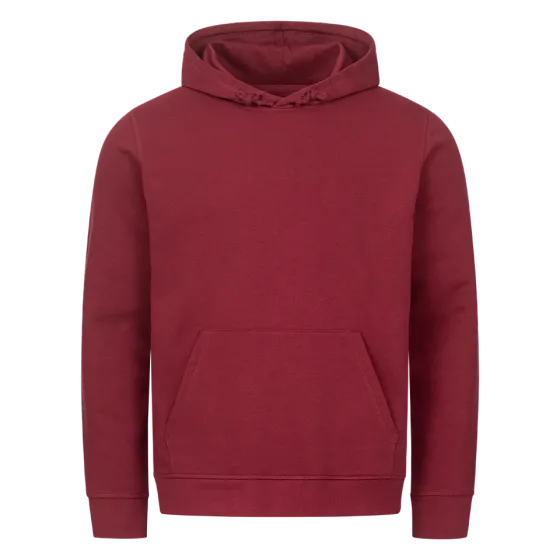 Organic
Stanley/Stella
Premium Organic Hoodie
from €22.10 excl. VATfrom €26.89 incl. VAT, plus shipping
85% combed ring-spun organic cotton, 15% polyester
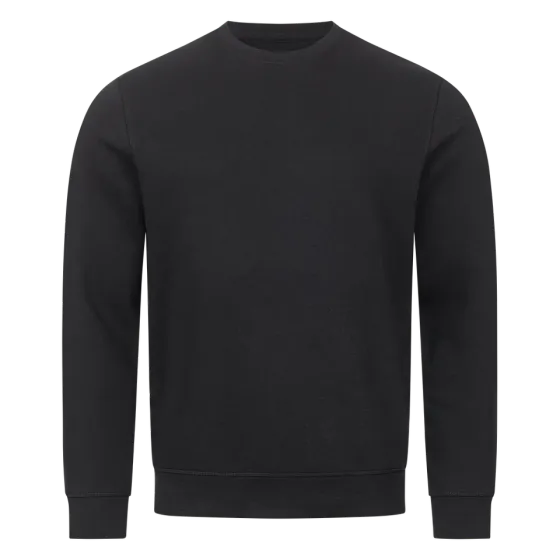 Organic
Stanley/Stella
Premium Organic Sweatshirt
from €24.36 excl. VATfrom €29.58 incl. VAT, plus shipping
85% combed ring-spun organic cotton / 15% recycled polyester
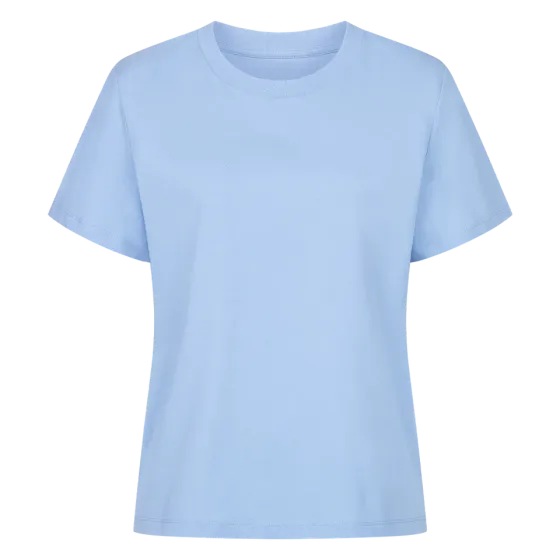 Organic
Stanley/Stella
Premium Organic Shirt Women
from €11.00 excl. VATfrom €13.68 incl. VAT, plus shipping
100% combed ring-spun organic cotton
 Organic
Stanley/Stella
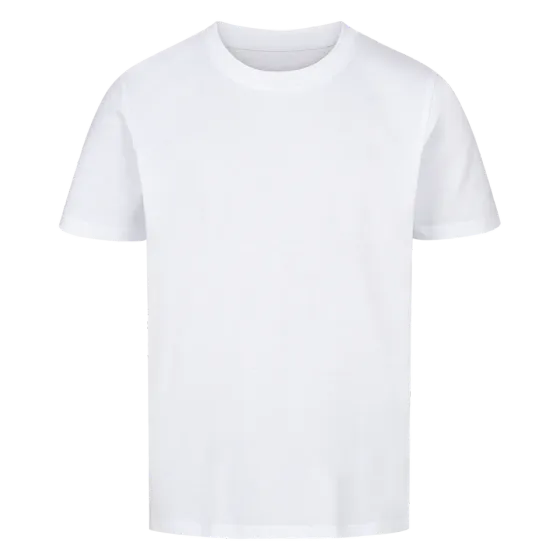
Premium Organic Shirt Kids
from €9.66 excl. VATfrom €11.50 incl. VAT, plus shipping
100% combed ring-spun organic cotton
 Organic
Beechfield Original Headwear
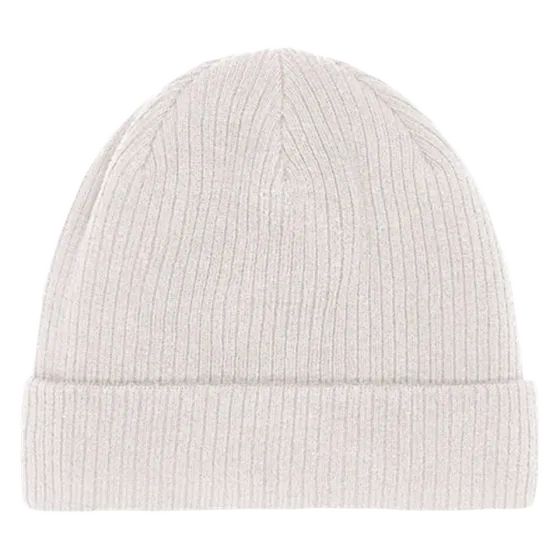
Beanie
from €13.44 excl. VATfrom €15.99 incl. VAT, plus shipping
100% organic cotton
MarketPrint
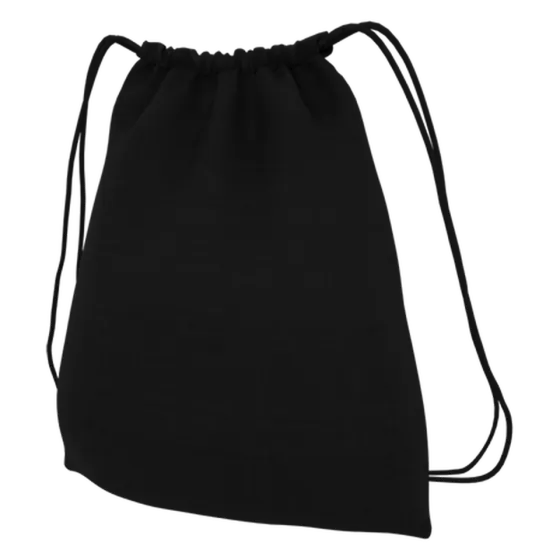
Gym Bag
from €8.82 excl. VATfrom €10.50 incl. VAT, plus shipping
made of organic cotton & recycled polyester
 Oversized
New Morning Studios
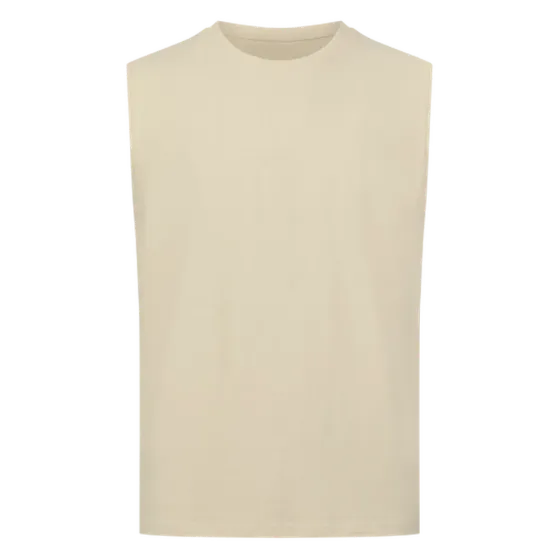
Sleeveless Oversized Tee
from €13.44 excl. VATfrom €16.59 incl. VAT, plus shipping
100% organic cotton
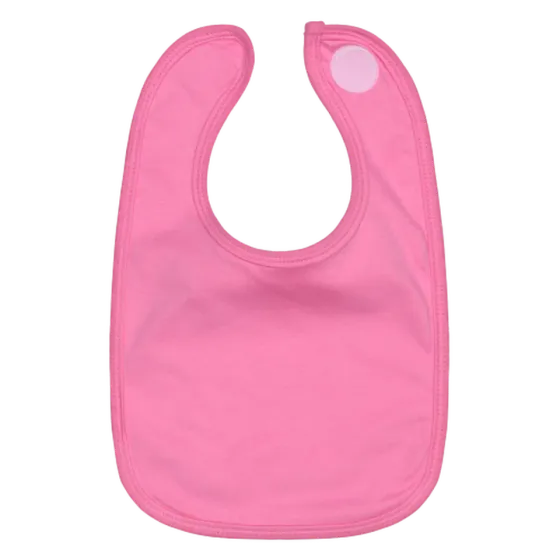 Organic
Babybugz
Baby Bib
from €9.79 excl. VATfrom €11.65 incl. VAT, plus shipping
100% organic cotton
With recycled fibres
Material information according to the manufacturer, as stored in the catalogue.
Short ways
Printed where your customers live.
- Every order automatically goes to the right plant
- No detour across the Atlantic for single parcels
- Our own production instead of passing orders on
In the plant
From print to parcel
Returns are donated
Visiting our suppliers
For your shop
Selling sustainably – honest and specific
Create an organic collection
Bundle your designs on organic cotton products in a collection of their own. That way, people looking for them will find them.
Specific, not vague
Write “100% organic cotton” or “printed only after your order” – not “eco-friendly” or “climate-neutral” without proof.
Test first, then scale
Order a sample before a product goes into your shop. Fewer complaints also means fewer returns.
Print for durability
A print that survives many washes gets worn for longer. For textiles, the DTF method helps you with that.
FAQ
Frequently asked questions
Is print on demand automatically sustainable?
Not automatically, but it avoids a big problem of the fashion industry: overproduction. Because items are only printed once a product has been sold, there are no piles of stock that nobody buys in the end. What you can do on top: choose materials consciously, such as organic cotton.
Which products are made of organic cotton?
Among others the Premium Organic Shirt, Hoodie and Sweatshirt by Stanley/Stella, the Sleeveless Oversized Tee, the kids' shirt, the beanie and the baby bib. The full material information is listed for every product in the catalogue.
Where are my orders produced?
In our two own plants: in Mindelheim for Europe and in Houston for the USA. Every order is assigned to the right plant. So a shirt for customers in the USA doesn't have to cross the Atlantic first.
May I advertise my products as “sustainable”?
Be specific rather than vague. Name what can be proven – for example “100% organic cotton according to the manufacturer” or “printed only after your order”. You should avoid terms like “climate-neutral” or “eco-friendly” without proof.
Start consciously
No stock. No overproduction.
Choose organic cotton products, design them yourself or sell them in your shop. Printing only starts when someone orders.
